
 0
0
 0
0 With the latest war in the Middle East continuing, the resultant oil and gas shock has started to cripple the developing world, with implications that could threaten more than just livelihoods
New Delhi [India], March 23: Throughout the years, we’ve filled up our tanks or our gas cylinders as soon as we needed one without battling an eyelid. That’s changed in the last two weeks, as people across the developing world now wonder how they’ll travel to work or cook their next meal, given the astronomical price rises or limited supply of petrol and CNG gas available.
Until February 28, no one cared about geopolitics, and how it could affect literally everyone around them. The US and Israel’s attacks on Iran and the subsequent bombing campaigns engulfing the Middle East is now a global concern, threatening the global economy as we know it.
The danger of taking a limited resource for granted
Almost 20% of the world’s supply of oil and natural gas passes through the Strait of Hormuz, a narrow passage most tankers have to pass through before it eventually reaches your petrol pump or kitchen for daily use. With this Strait now effectively blocked, the energy requirements of millions are now in jeopardy.
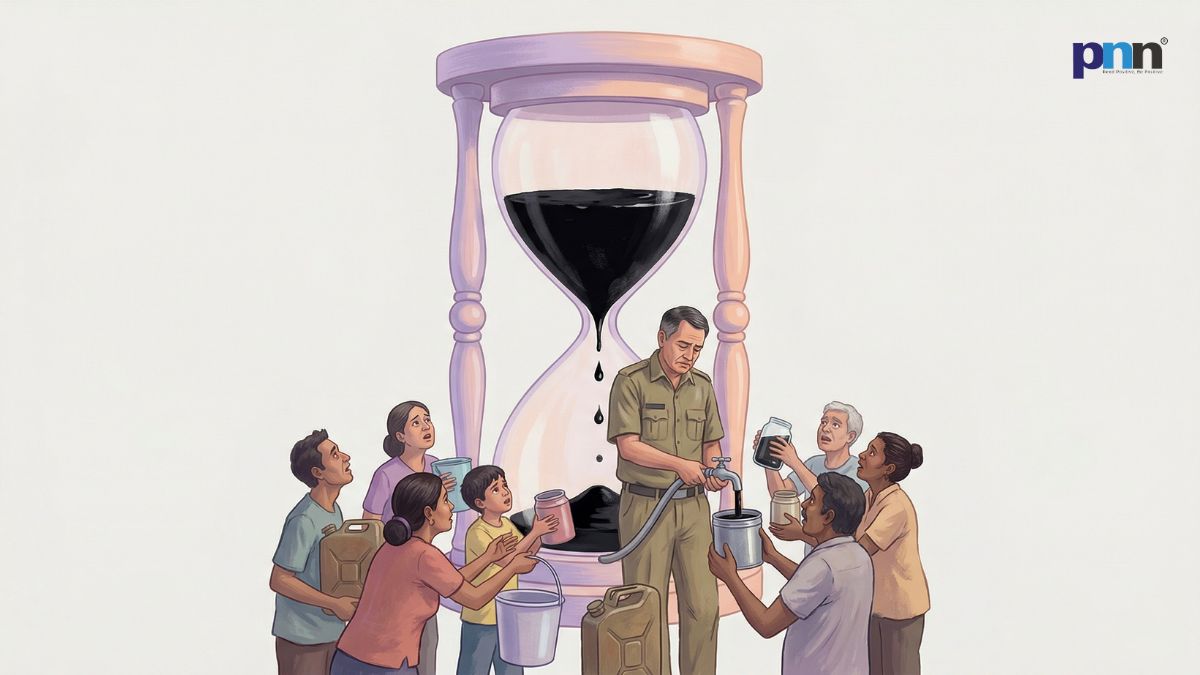
For years, many countries didn’t think twice about its petrol or gas requirements, assuming that its shipments would keep coming as required, just like an unending supply of water. Many of them didn’t even consider keeping buffer stocks that could sponge the price shocks temporarily.
That costly mistake is showing up now, with never ending lines for petrol at pumps witnessed in Pakistan and Bangladesh and LPG shortages witnessed in India. Governments are now hoping for a ceasefire, or an immediate resumption of supplies as there are signs that the Strait is expected to partially open for shipments to developing countries.
Even though EV vehicles and induction cooktops have been around for quite some time, this emergency need has made them realise the importance of diversifying their energy needs.
The real challenge:Hyperinflation
If 2025 was known for US tariffs, 2026 is now being feared for ‘hyperinflation’ as uncertainty associated with sustained Middle Eastern energy supplies continues to worry everyone from governments, economists, businessmen and your mother’s grocery bills.
With no end to the war in sight, and with critical oil infrastructure being damaged across the Middle East, fears of a disruption in oil supplies remain a real possibility.
For millions of people living across the developing world, the near term risks could be higher prices of fuel and gas, even as interest in alternatives are being viewed keenly. The knock on effects on food, logistics and various essential services is already being witnessed,and things could get worse.
The question remains- how worse, and how much time will it take to get things in order?
There is renewed hope, but will that hope turn into a ceasefire?
That’s a question on everyone’s mind.


Average Rating