

 0
0
 0
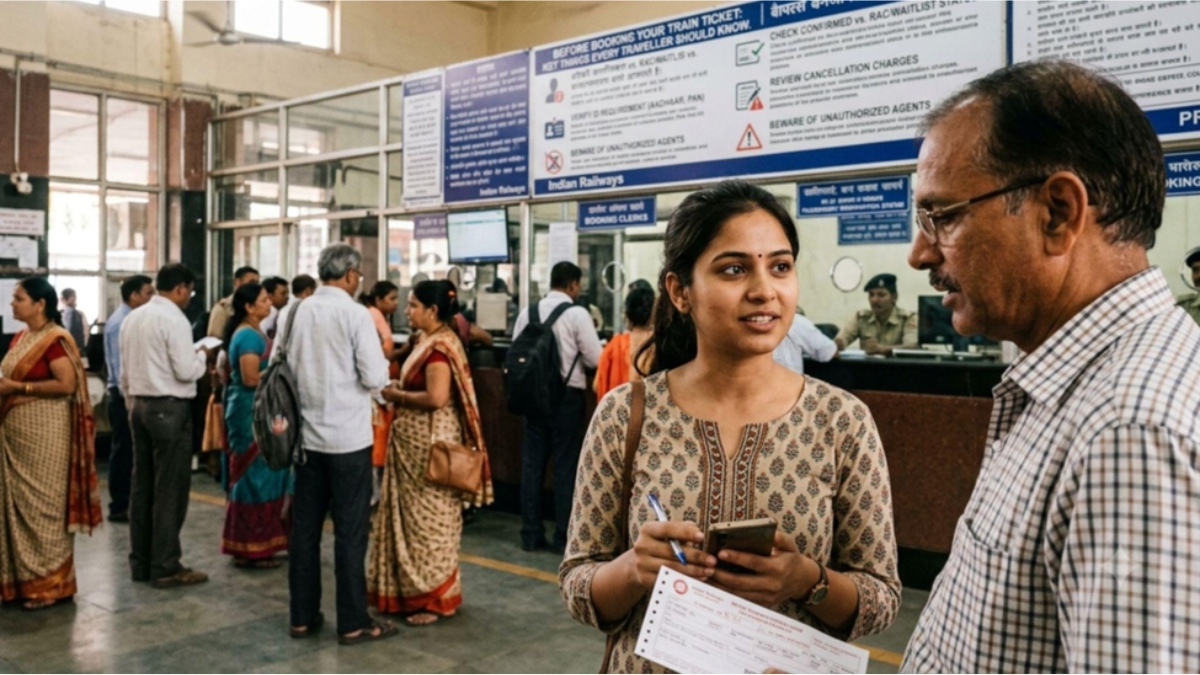
0 New Delhi [India], August 29: Booking a train ticket involves more than simply picking a train and making a payment. The route, timing, class, seat availability, fare and reservation status can all influence how comfortable and convenient the journey feels.
Taking a few minutes to check these details before confirming your ticket can save confusion later. For Indian travellers, understanding how different booking elements work also makes it easier to choose an option that genuinely matches the journey, rather than making a rushed decision.
Choose the Right Train and Route
The first step in train ticket booking is making sure the train actually suits the route you want to travel. Several trains may connect the same cities, but they can stop at different stations or follow different routes. Check the exact boarding and destination stations before selecting a service.
This becomes especially important in larger cities where more than one railway station may serve the same area. A convenient station can make the beginning and end of the journey much easier.
Check the Train Schedule and Journey Duration
Departure time is important, but the complete schedule deserves equal attention. Look at when the train leaves, when it is expected to arrive and how long the overall journey takes. A train with a convenient departure may reach your destination at an awkward hour, making onward travel difficult.
Journey duration can also vary between services on the same route. Comparing both timing and travel duration helps you choose a train that works naturally with your accommodation, local transport and personal plans.
Understand the Different Travel Classes
Train travel offers different classes designed around varying levels of comfort, privacy and affordability. Before booking, understand what each available class offers so that you can choose according to the length of the journey and your personal needs.
Some travellers may prefer air-conditioned accommodation for longer routes, while others may be comfortable with simpler seating arrangements. Families, older passengers and solo travellers may also have different priorities. The right class should balance comfort, practicality and budget without making the journey unnecessarily complicated.
Check Seat and Berth Availability
Seat and berth availability can influence whether a particular train is suitable for your plan. Popular routes and busy travel periods may fill quickly, so checking availability before payment is essential. If your preferred class does not have suitable availability, compare another train, travel date or class before deciding.
It also helps to understand that a preferred berth type may not always be allotted. Looking at the available options carefully allows you to make a more informed choice instead of depending on assumptions about confirmation.
Know the Ticket Booking Quota Options
Different booking quotas may appear depending on the train, class, journey and passenger eligibility. General booking is commonly used, while other options may be available for specific travel requirements or eligible passengers. Tatkal may also appear for travellers making bookings closer to departure, subject to applicable conditions.
Before selecting any quota, understand whether it applies to your journey and whether its booking or cancellation terms differ. Choosing the correct option is important because availability, fare and refund conditions can change depending on the quota selected.
Compare Ticket Fares before Booking
Fare comparison should go beyond looking for the lowest amount displayed. The final fare may vary based on the train, travel class, booking quota and availability. A slightly different option may offer a better arrival time, shorter journey or more suitable travel class.
Compare the total payable amount along with the comfort and convenience you receive. This makes the decision more practical, especially for longer journeys. Before completing payment, review the fare shown for the exact train and class you have selected.
Check the Waiting List and RAC Status
Reservation status deserves careful attention before you confirm the booking. A confirmed ticket offers greater certainty, while RAC and waiting list positions indicate different levels of reservation availability. Travellers should understand what the status shown at the time of booking means and continue checking it as the travel date approaches.
Avoid assuming that a waitlisted booking will automatically become confirmed. Knowing the latest status helps you plan more confidently, especially when accommodation, local transport or other travel arrangements depend on the train journey.
Enter Passenger Details Correctly
Passenger information should always be entered carefully because even small errors can create unnecessary difficulty later. Check the spelling of names and make sure all required passenger details are entered correctly before payment. Where age, gender or berth preference is requested, review the information once more before submitting the booking.
Travellers should also keep an accepted identity document available for the journey where required. A simple final check at this stage can prevent avoidable problems and ensure that the reservation reflects the actual passengers travelling.
Understand the Cancellation and Refund Rules
Travel plans do not always remain fixed, which makes cancellation and refund rules worth understanding before booking. The amount refunded can depend on the ticket status, cancellation timing, booking quota and applicable railway rules. A confirmed ticket may be treated differently from an RAC or waitlisted reservation.
Travellers should also avoid assuming that every cancellation results in a complete refund. Reading the relevant conditions before payment gives you a clearer idea of what may happen if your plans change and helps you book with fewer surprises.
Verify Your PNR and Booking Details after Confirmation
Once the reservation is confirmed, review the ticket carefully instead of closing the booking page immediately. Check the PNR, train name, journey date, boarding station, destination, travel class and passenger details to make sure everything matches your intended plan.
Save a digital copy somewhere easy to access during the journey. It is also useful to check the reservation status again before leaving for the station, particularly when the ticket was not fully confirmed at the time of booking or when journey updates are expected.
Conclusion
A smoother train journey often begins with the checks made before payment. The right route, practical timing, suitable travel class, clear reservation status and accurate passenger details can make a noticeable difference to the overall experience. Understanding fares, quotas and cancellation conditions also helps travellers make more informed decisions. Once the booking is complete, reviewing the PNR and journey details provides one final layer of confidence. Travellers can also use redBus to organise their broader travel plans more conveniently.
If you object to the content of this press release, please notify us at pr.error.rectification@gmail.com. We will respond and rectify the situation within 24 hours.


Average Rating