

 0
0
 0
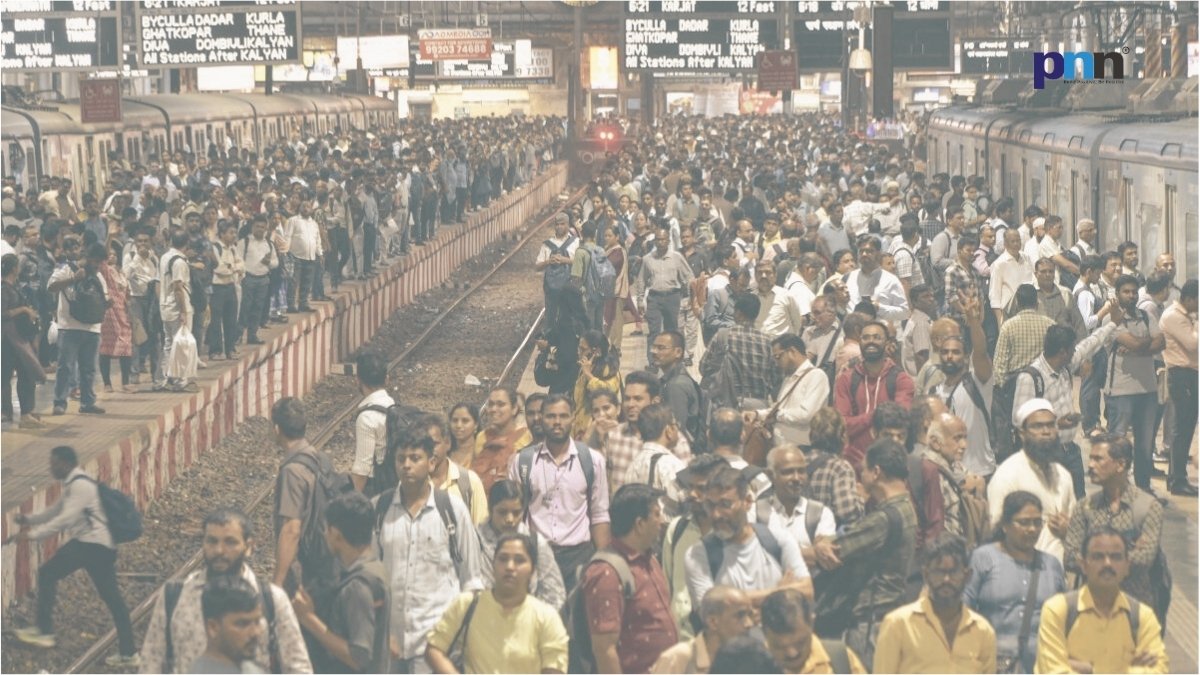
0 New Delhi [India], July 28: India’s economy remains one of the fastest growing among the major economies. Wages have risen in many industries, jobs have been steady and consumer spending is a major component of economic activity. That’s good news for the nation’s middle class, on paper.
However, the monthly budget is not the same for many families.
The grocery bill has increased from 2 years ago. School fees continue to rise. Healthcare costs have increased, home loan EMIs are high and even small monthly subscriptions are a silent drain on the household budget. While salary increases are beneficial, they’re not always sufficient to make up for the loss of purchasing power that families have experienced.
This is reflected in the numbers. The retail inflation in India was 4.38% in June 2026, food inflation was 5.32%, according to the Ministry of Statistics and Programme Implementation (MoSPI). Inflation has eased from its peak levels but not to earlier levels. Consumers continue to pay more for essentials than they did a few years ago.
Meanwhile, Reserve Bank of India (RBI) data indicates that household financial savings had declined to 5.1% of GDP in FY24, the lowest in almost 50 years, and household borrowing has been on the rise. This indicates that there is a widening income gap and a widening cost of living, economists say.
Why the Pressure Is Increasing
Today, costs for the middle class in India go beyond food and rent and transport.
There are new subscription services like Netflix, Amazon Prime, Spotify, Microsoft 365, and cloud storage that are recurring monthly expenses. Education and coaching classes are becoming a cost of living, health care is getting more expensive, and the cost of a lifestyle that was once considered a luxury has become a necessity.
Another big problem is housing. Despite the appreciation in home prices in several cities, the cost of borrowing is still high, which means that EMIs are still high for a lot of existing borrowers. Rent has also risen significantly in major cities as offices have returned to normal following the pandemic.
In the meantime, wage increases have not always been accompanied by an increase in purchasing power. Even for a professional who is getting a 7% annual raise, a lot of the extra money may be eaten up by the extra cost of groceries, insurance, school, and transportation.
One of the other things that is noticeable is the increasing use of credit. Families have been able to sustain their lifestyle through home loans, vehicle loans, consumer finance and credit cards but at the same time have less savings for the longer term.
Interestingly, this is not an indication that Indians have ceased investing. The monthly SIP investment has been above ₹25,000 crore in 2026, indicating that even in the face of constrained budgets, many households are still investing in SIPs, according to AMFI. The problem is that people are investing more deliberately, and saving automatically is harder.
Financial planning these days is not just about making more money for many middle class families. It’s all about controlling the costs of increasing without sacrificing future objectives. While the economy may grow, the income of many households will remain lower than their cost of living unless there is a steady increase in income, and they will continue to feel that they are spending more and saving less.


Average Rating