
 0
0
 0
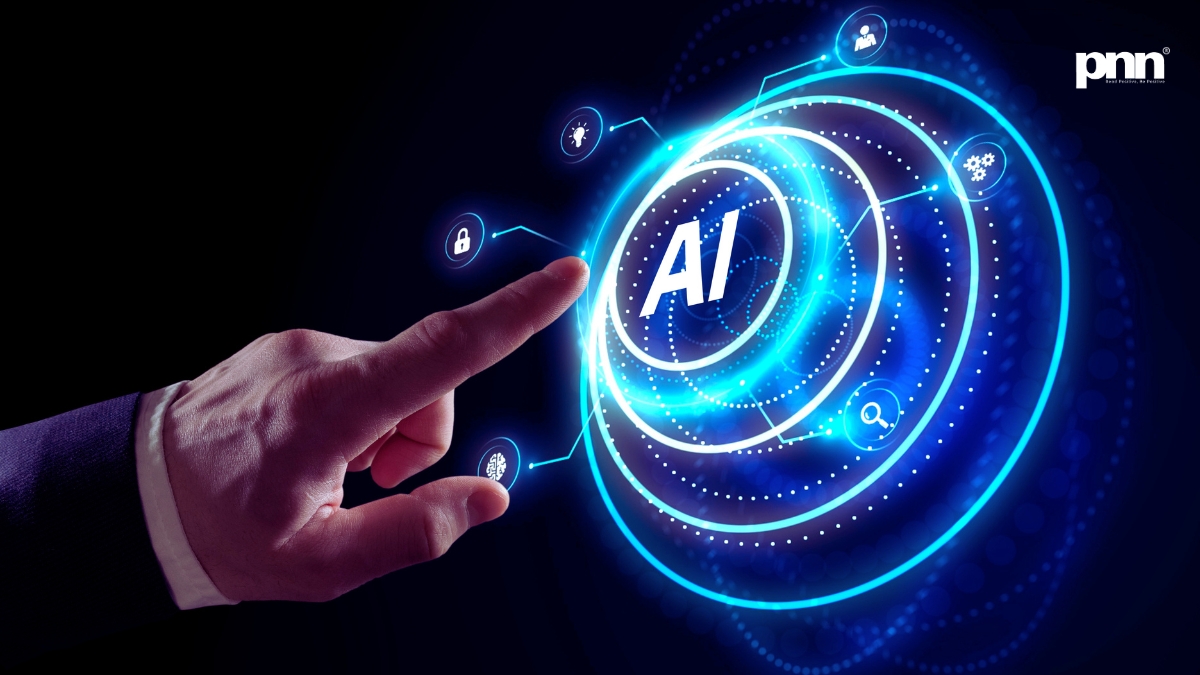
0 New Delhi [India], July 1: Back in the day, AI felt like something distant—something only the tech crowd obsessed over, or showed up in sci-fi movies. Fast forward to 2026, and that line has disappeared. AI isn’t waiting in the wings anymore; it’s quietly threaded right through everyday life. It shapes how we work, learn, shop, talk, move, even how we think—usually without us even noticing.
What’s different this time is the direction of change. People used to have to change for technology. Now, it’s technology adapting to us. AI has stopped being just a glorified productivity tool and started acting more like a companion.
Most days kick off with AI. Your assistant sums up what you missed overnight and suggests tweaks to your schedule. It might flag emails, offer up a breakfast—maybe something healthier if you’re up for it—track how you slept, and even tell you whether to go hard at the gym or take it easy. Your commute? AI checks the roads and picks the best route before you’ve even finished your coffee. All of this just happens, trimming away those tiny daily decisions that used to drain us.
That constant “decision fatigue” everyone complained about? Now, AI sorts it out in the background.
Work life looks completely different, too. No more grinding away at routine reports, endless formatting, or hunting for months-old spreadsheets. AI covers those chores, leaving people to focus on judgment calls, creative work, or just talking to other humans. It’s less about humans being phased out, more about amplifying what people already do well.
Look at the creator economy. Designers bounce ideas off image generators, writers team up with language models, editors let AI tackle the boring stuff, and musicians use it to spark new melodies before layering in their own style. Everything’s faster, but now, what’s really rare—and valuable—is genuine originality.
Education is getting personal. Picture AI tutors that won’t quit until you get it; if you don’t catch on one way, they find another until it sticks. Learning moves at your pace, nobody’s falling behind just to keep up. Language is less of a barrier, too, thanks to instant translation. Lifelong learning isn’t a buzzword anymore—it’s how people actually keep up.
Healthcare’s flipped to prevention mode. You wear small trackers that monitor your sleep, stress, heart, and activity. AI sifts through all that data, picking up on warning signs early and nudging you before something turns serious. Personalized tips, daily reminders—problems don’t sneak up on you like they used to.
Even food shopping has changed. AI meal planners take your allergies, fitness goals, budget, and even what’s left in the fridge, then suggest what to buy—and what to make. Less wandering the aisles. You shop intentional now, instead of grabbing what catches your eye.
Shopping in general feels less overwhelming. Instead of scrolling for hours, you describe what you want, and AI boils it down to a few smart picks. It saves you time—the one thing nobody has extra of.
Booking travel? You talk, it listens. Your itinerary folds in weather, events, crowds, diet, your past trips—so vacations start off feeling like they already “get” you.
Communication? That’s probably the most obvious change. AI translates languages on the fly, so working with people around the globe is simple. Meetings get auto summaries, email is shorter, and big blocks of information become way easier to digest. Info overload still exists, but it’s manageable.
But here’s the real shift—it’s not all about tech.
It’s about how we think.
People are redefining productivity. Long hours aren’t the endgame now. Focus matters more. So does creativity, flexibility, having time to actually live. AI brings more efficiency, but it also makes you ask: What’s all that saved time for?
Some spend it with family. Others dive into hobbies. Sometimes people just disconnect and do nothing—which might be the healthiest thing of all.
Of course, there’s a catch. With AI handling so much personal data, privacy is huge. Understanding what you share, how algorithms shape your feed, and when to trust your own judgment over what a machine recommends—all that matters more. Digital literacy isn’t optional anymore.
Critical thinking is gold now. The future of work relies on it. With more tasks automated, the edge comes from staying curious, adapting, leading, and navigating the gray zones only people really get. We prize empathy, creativity, and trust—qualities you can’t just program.
Going forward, AI will feel even less noticeable. It’ll just be there, smoothing out the rough edges, anticipating needs, personalizing everything, letting you focus more on living. Like electricity or Wi-Fi—it fades into the background. You forget it’s there until you really need it.
So, by 2026, “living with AI” isn’t even a question—it’s reality. The bigger question is: Are we using all this technology just to cram more tasks into less time, or are we actually making life better? That answer will shape not only the future of tech—but the future of how we live.


Average Rating